
Introduction
In early childhood education, various frameworks and models play pivotal roles in shaping children’s learning experiences. This essay explores video vignettes to identify aspects of prominent approaches and models, including Emergent Curriculum, High Scope, Montessori, and potential inferences from Roots of Empathy, among others. Through close observation and analysis, the evidence of these frameworks and models is documented, shedding light on their relevance in fostering holistic development and positive social interactions among children.
Anti-Bias Education
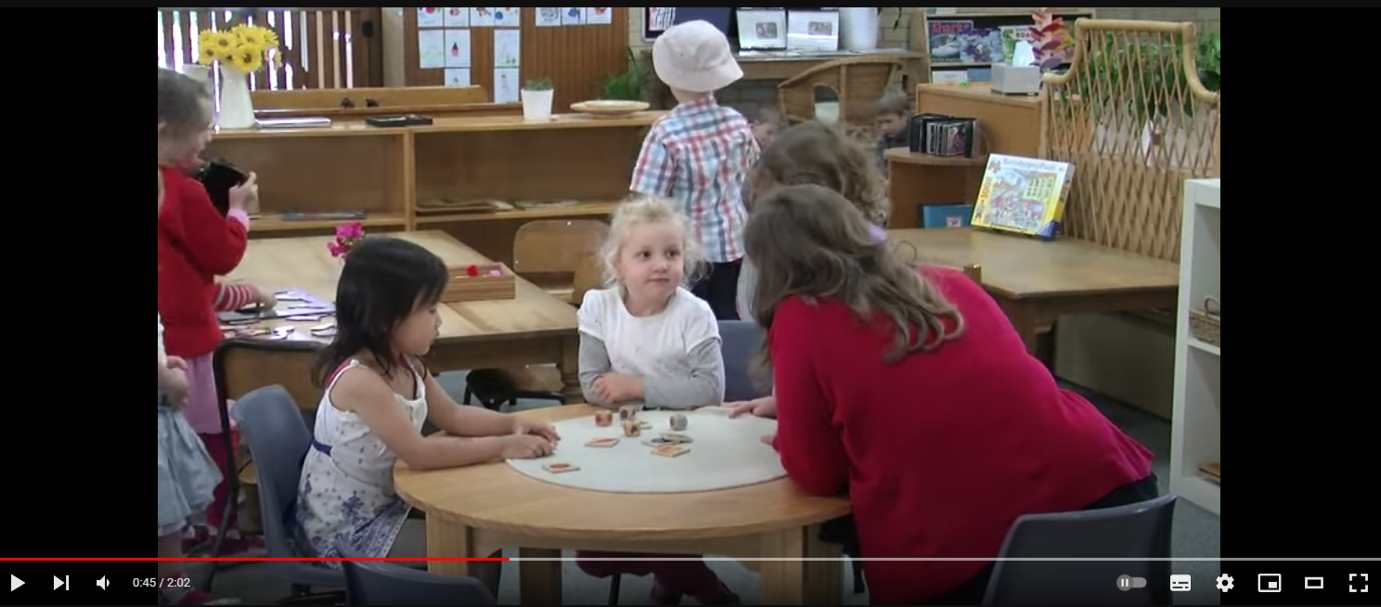
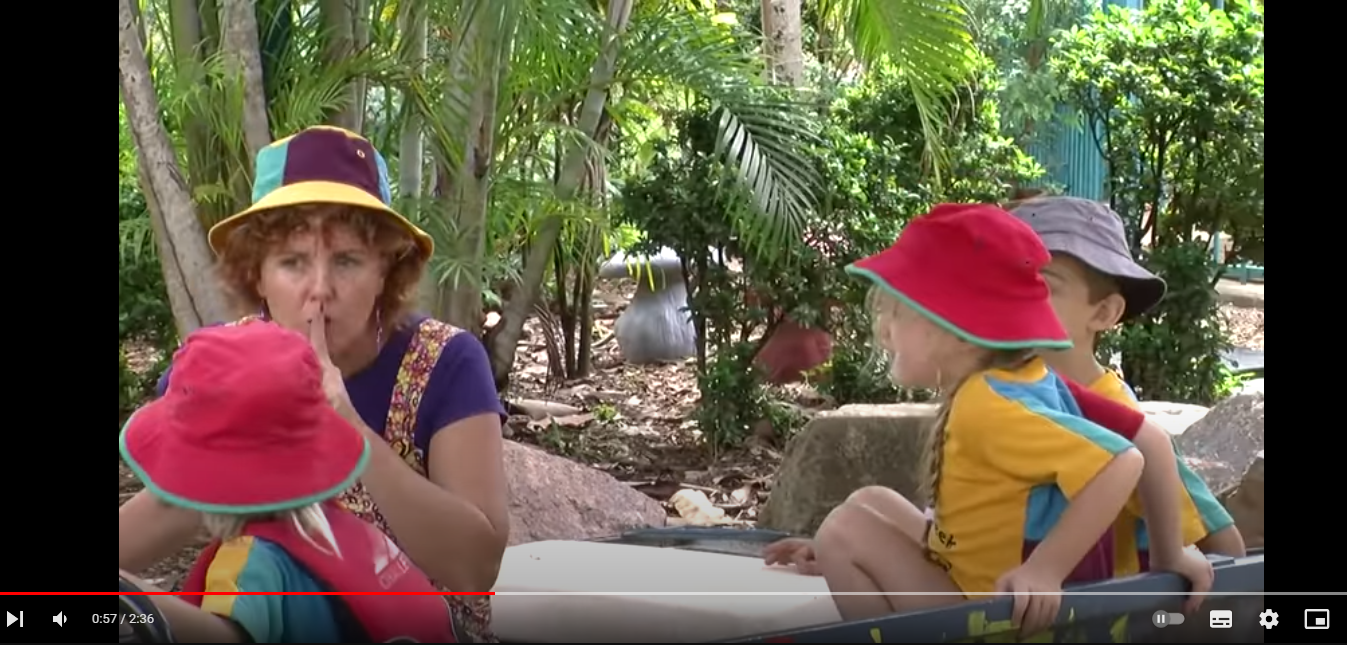
The evidence of Anti-Bias Education in one of the provided videos lies in the educator’s proactive approach to addressing social dynamics among the children. According to Kuh et al. (2016, para. 2), Anti-Bias Education involves “a way of teaching that supports children and their families as they develop a sense of identity in a diverse society.” In the video, the educator’s actions resonate with this principle, as they address the issue of exclusion directly and work to resolve it respectfully and inclusively (ECA Learning Hub, 2012c). When one child expresses feelings of exclusion, the educator immediately intervenes by initiating a conversation with both the concerned child and the peers involved.
The educator facilitates dialogue to understand the situation and ensure inclusivity. This aligns with the principles of Anti-Bias Education, which emphasizes promoting equitable treatment, challenging stereotypes, and fostering a sense of belonging among all children regardless of their backgrounds or differences. Additionally, Dietze and Kashin (2023, Chapter 1) emphasize the importance of educators serving as advocates for children by “ensuring that all individuals are valued and respected.” This echoes the educator’s role in the video, which ensures that every child feels heard, respected, and included in the play activity, promoting social harmony and positive peer interactions.
Roots of Empathy
Similarly, the evidence for the Roots of Empathy program is presented here, demonstrating the educator’s intervention to address social dynamics among the children. According to Jackson (2024, para. 1), Roots of Empathy “is an international, evidence-based, and empathy-based classroom program designed for children ages 5 to 13.” In the video, the educator facilitates a conversation to address a situation in which a child feels excluded, promoting empathy and understanding among the children (ECA Learning Hub, 2012c). This aligns with the Roots of Empathy approach, which emphasizes building positive relationships and emotional literacy through guided discussions and interactions. The video highlights the Roots of Empathy program’s role in fostering empathy, emotional understanding, and positive social interactions among children.
Emergent Curriculum
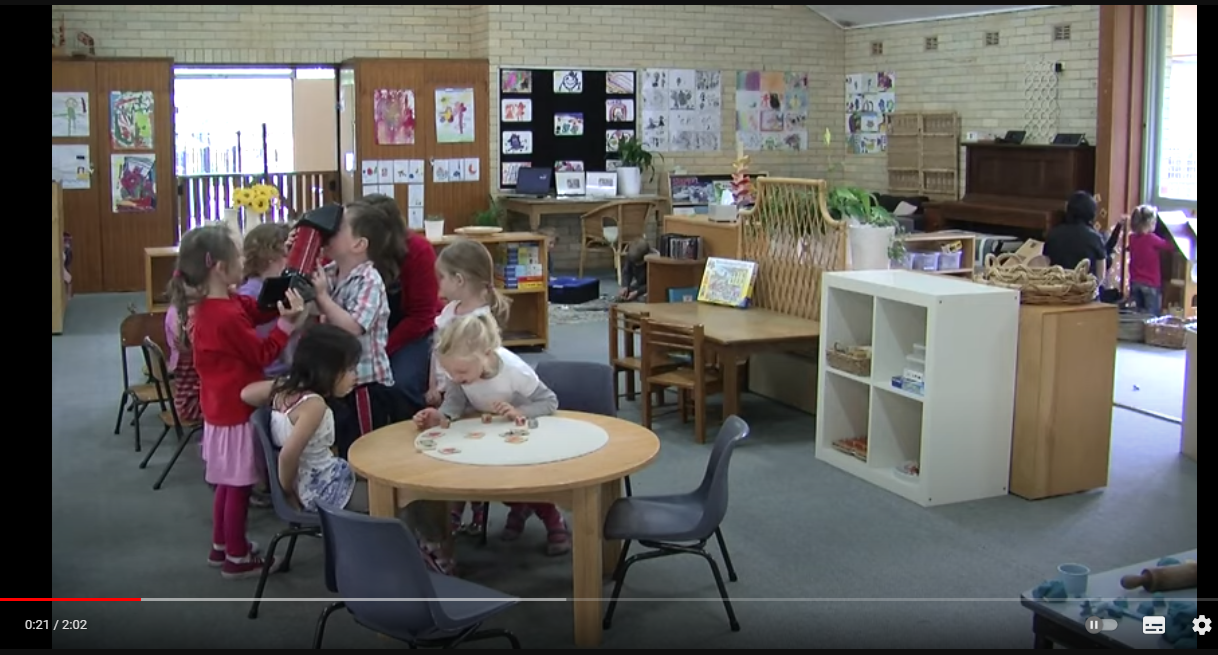
The evidence of Emergent Curriculum inspired by Reggio Emilia in the next video is evident in the children’s active engagement in imaginative play and the educator’s facilitation of their exploration. According to the University of Toronto (n.d., para. 1), in the Reggio Emilia approach, “integration of new knowledge is best assured when children are actively engaged.” In the video, the children embark on a fishing adventure, using their imagination to navigate through a simulated river environment (ECA Learning Hub, 2012a). The educator plays a crucial role in scaffolding their play by describing imaginary elements such as crocodiles and dolphins, encouraging the children to expand their narratives and interactions.
Furthermore, the University of Toronto (n.d., para. 1) emphasizes that in Reggio Emilia-inspired settings, “children are most successful at learning when curriculum experiences account for their interests, strengths, needs, and lived realities.” This is evident in the video, as the children’s play emerges organically from their interests and interactions within the river setting, demonstrating how the curriculum evolves in response to children’s experiences and exploration (ECA Learning Hub, 2012a). Overall, the video exemplifies the principles of Emergent Curriculum inspired by Reggio Emilia by fostering children’s creativity, curiosity, and active participation in shaping their learning experiences.
Forest Nature Program
There is also evidence of the Forest Nature Program in a video where the outdoor environment and the types of play materials and experiences are offered to the children. According to Forest School Canada (2014, p. 12), “all Forest and Nature School programs adhere to the following: regular and repeated access to the same natural space, as well as emergent, experiential, inquiry-based, play-based, and place-based learning.”
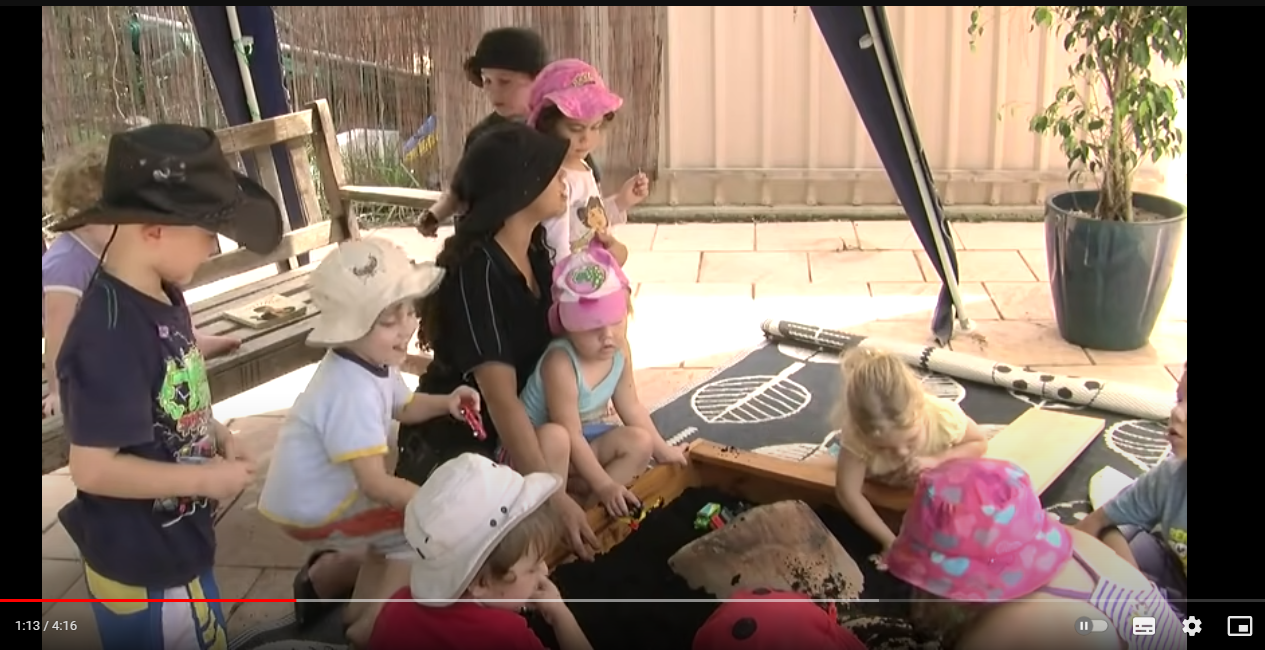
In the video, the children are seen playing with cars and trucks in a planned outdoor play space that includes elements such as dirt, rocks, and natural materials, resembling a natural environment rather than a traditional playground (ECA Learning Hub, 2012b). The children interact with the natural elements around them, exploring the textures and properties of the dirt and rocks while engaging in imaginative play with the toy cars and trucks. Overall, the video exemplifies the principles of Forest Nature Programs by providing children with opportunities for outdoor play and exploration in a natural setting, fostering connections with nature, and promoting holistic development.
Full-Day Kindergarten
Furthermore, the evidence for Full-day Kindergarten (FDK) in the same video can be inferred from the outdoor play space and children’s engagement in play. According to the Ontario Public Service (2016, p. 4), in FDK programs, individuals get “positive experiences in early childhood set the foundation for lifelong learning, behavior, health, and well-being.” In the video, the children are observed playing with cars and trucks in an outdoor setting, suggesting an environment conducive to extended play, a feature typical of FDK programs (ECA Learning Hub, 2012b).
In FDK settings, children have access to a range of play materials and environments that support their development across multiple domains. This is evident in the video, where the children engage in imaginative play with toy vehicles in a planned outdoor play space featuring natural elements such as dirt and rocks (ECA Learning Hub, 2012b). The presence of an educator who guides and supervises the children’s play activities also aligns with the supportive adult-child interactions emphasized in FDK settings. Overall, the video demonstrates Full-day Kindergarten principles by offering children opportunities for extended play and exploration in a rich learning environment.
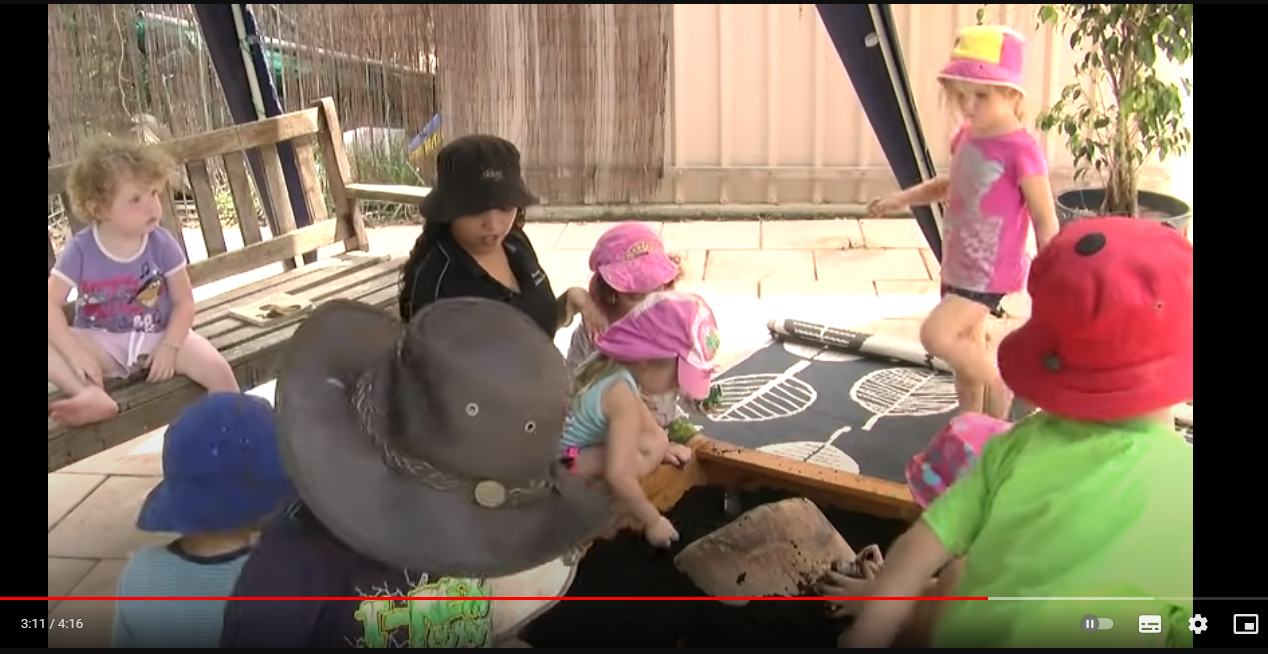
Montessori Model
The evidence of the Montessori Model is evident in another through the setting, materials, and educator-child interactions observed. According to Dietze and Kashin (2023, Chapter 8), “Montessori believed that children needed to be exposed to a series of didactic materials. She suggested that these materials helped children develop their inner selves.” In the video, the presence of children of mixed ages playing together in the sandpit aligns with the Montessori approach’s emphasis on multi-age learning environments.
Additionally, the use of specific tools and implements, such as small spoons and cubicle holders, reflects the Montessori philosophy of providing hands-on learning experiences with concrete materials. The educator’s facilitative role, offering choices and guidance to the children, further supports the Montessori principle of fostering independence and self-directed learning. Overall, the video demonstrates elements of the Montessori Model through its setting, materials, and educator-child interactions, highlighting the principles of mixed-age groupings, prepared environments, and hands-on learning experiences.
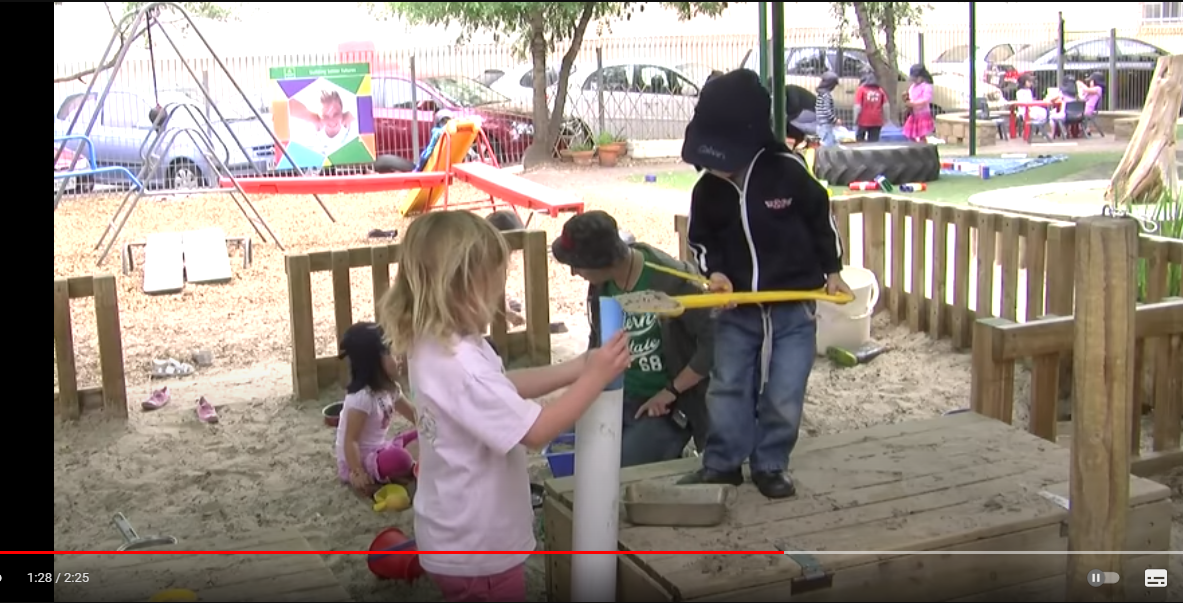
High Scope Model
In the same video, evidence of the High Scope model is present. It is demonstrated through the educator’s interactions with the children and the structured nature of the play activity. According to HighScope (2022, para. 2), in their programs, adults play an active role in children’s learning by creating “helping programs build capacity for sustained positive outcomes.”
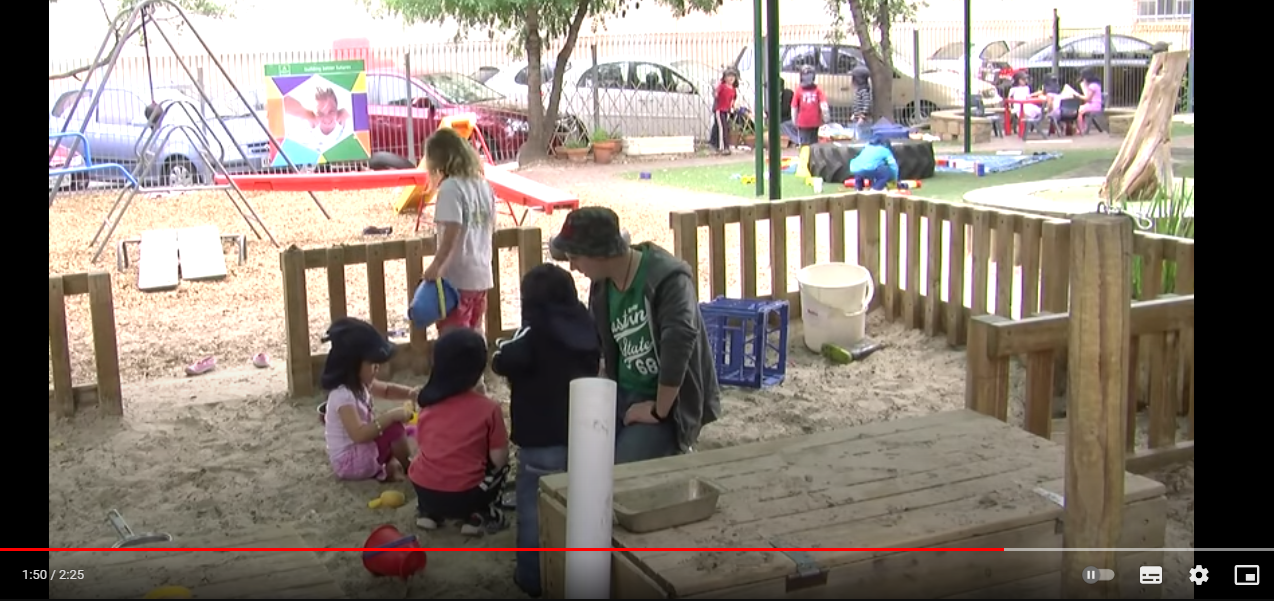
In the video, the educator engages with the children by asking questions, offering choices, and providing guidance during sandpit play. This aligns with the High Scope model’s emphasis on adult-guided activities within a supportive learning environment. Additionally, the utilization of special tools and implements in the sandpit reflects the High Scope approach to providing children with hands-on, experiential learning opportunities. Thus, the video vignette demonstrates elements of the High Scope model through its structured play activity and the educator’s facilitative role in supporting children’s learning and exploration.
Conclusion
In conclusion, the examination of video vignettes has provided valuable insights into the application and relevance of diverse frameworks and models in early childhood education. From the facilitative role of educators in Montessori settings to the structured play activities characteristic of High Scope, each approach offers unique contributions to children’s learning and development. By recognizing and understanding these aspects, educators can effectively promote holistic growth and positive social interactions among children in educational settings.
References
Dietze, B., & Kashin, D. (2023). Playing and learning in early childhood education (3rd ed.). Pearson.
ECA Learning Hub. (2012a). Observing Practice Series NQS PLP – Fishing—connecting with our community. YouTube.
ECA Learning Hub. (2012b). Connecting with Practice NQS PLP – Children playing with cars and trucks. YouTube.
ECA Learning Hub. (2012c). Observing Practice Series NQS PLP – They won’t let me play. YouTube.
ECA Learning Hub. (2012d). Connecting with Practice Series NQS PLP – Sandpit play. YouTube.
Forest School Canada. (2014). Forest and Nature School in Canada: A head, heart, hands approach to outdoor learning.
HighScope. (2022). Who we are.
Jackson, C. (2024). Roots of empathy. Roots of Empathy.
Kuh, L., Leekeenan, D., Given, H., & Beneke, M. (2016). Moving beyond anti-bias activities: supporting the development of. NAEYC.
Ontario Public Service. (2016). The kindergarten program.
University of Toronto. (n.d.). Emergent curriculum. Early Learning Centre.